

Ingredient List
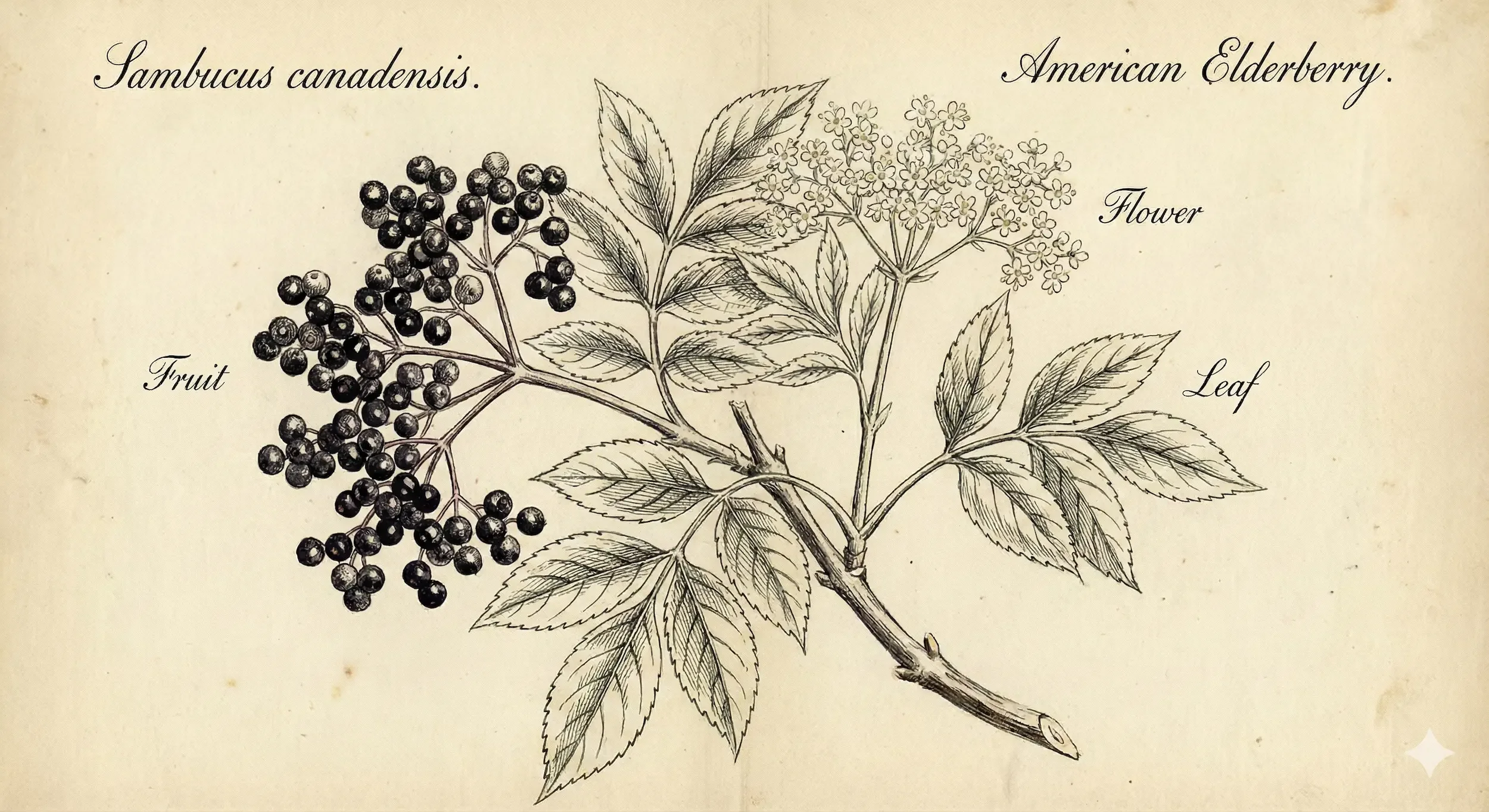
Elderberry (Sambucus nigra)
Elderberries are small, dark berries traditionally valued for their rich antioxidant content. They’ve long been used in folk herbalism to support the body’s natural defenses and overall wellness. Their deep color reflects high levels of beneficial plant compounds.
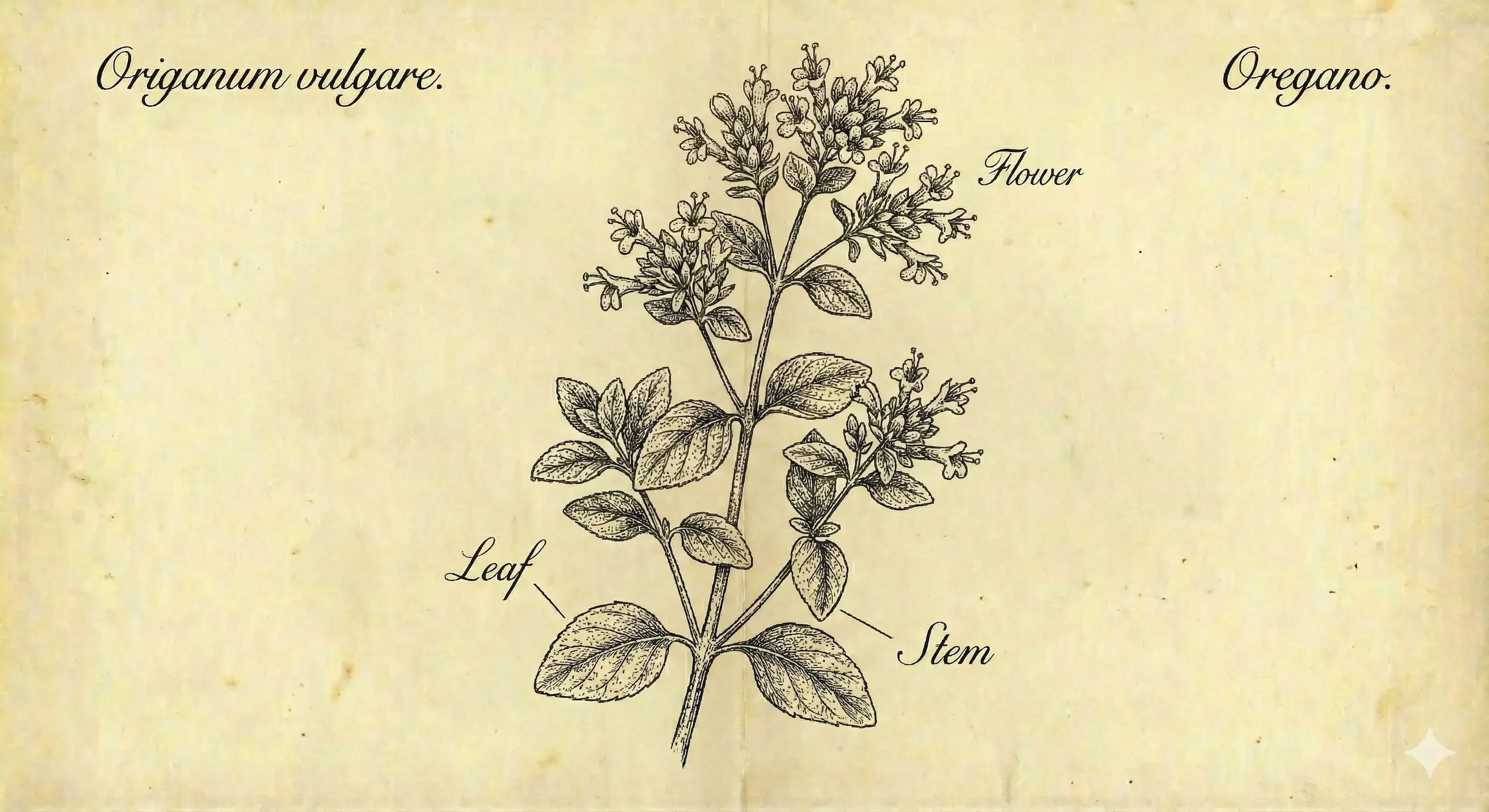
Oregano (Origanum vulgare)
Oregano is a robust, aromatic herb rich in natural plant compounds. Traditionally, it has been used to support the body’s natural defenses and overall vitality. Its strong scent reflects its potent herbal character.
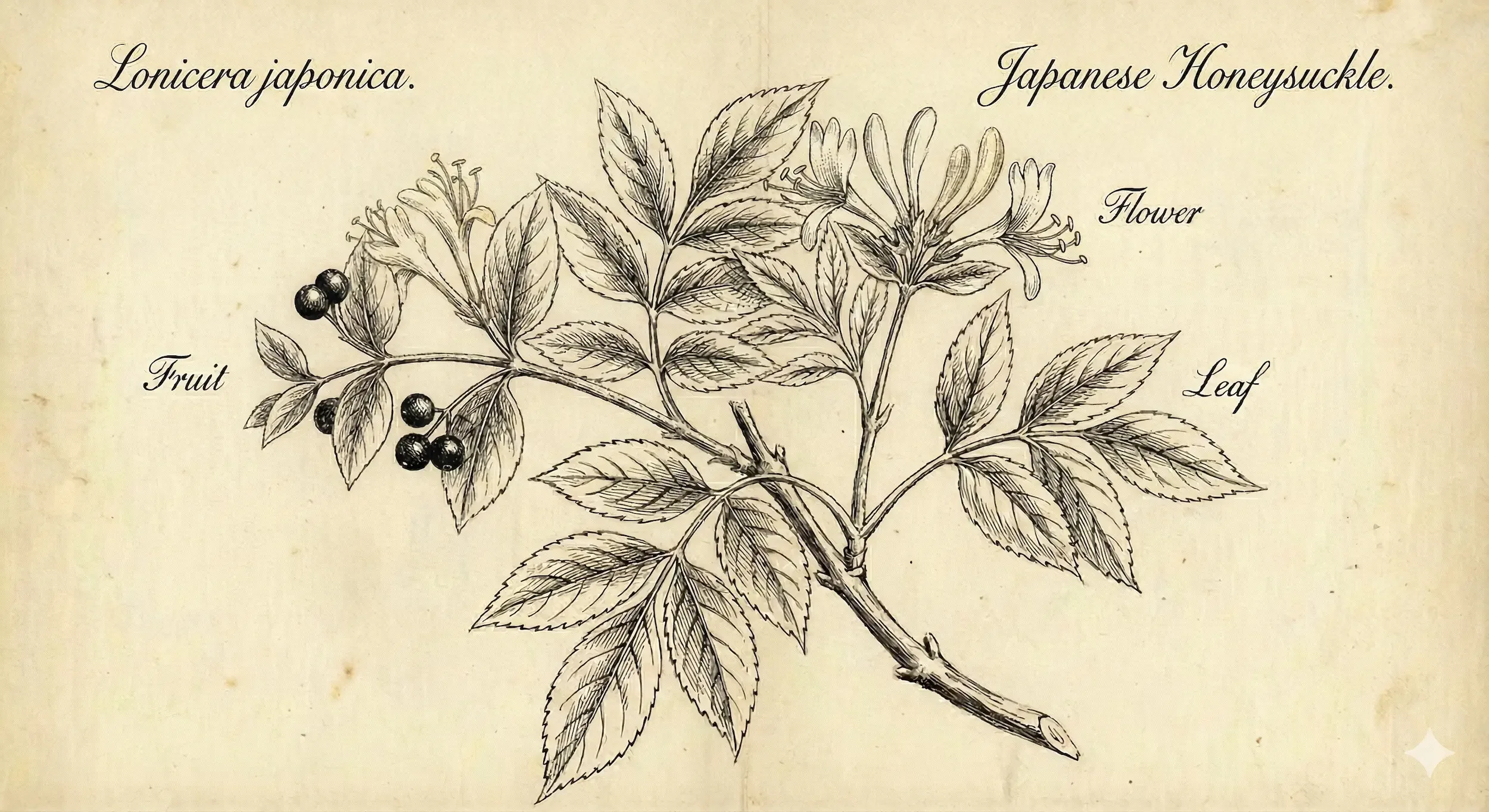
Japanese Honeysuckle (Lonicera japonica)
Japanese Honeysuckle flowers have been used in traditional herbal practices for centuries. They’re known for their gentle, soothing qualities and are often used to support overall balance and well‑being. The blossoms bring a light, floral energy to herbal preparations.
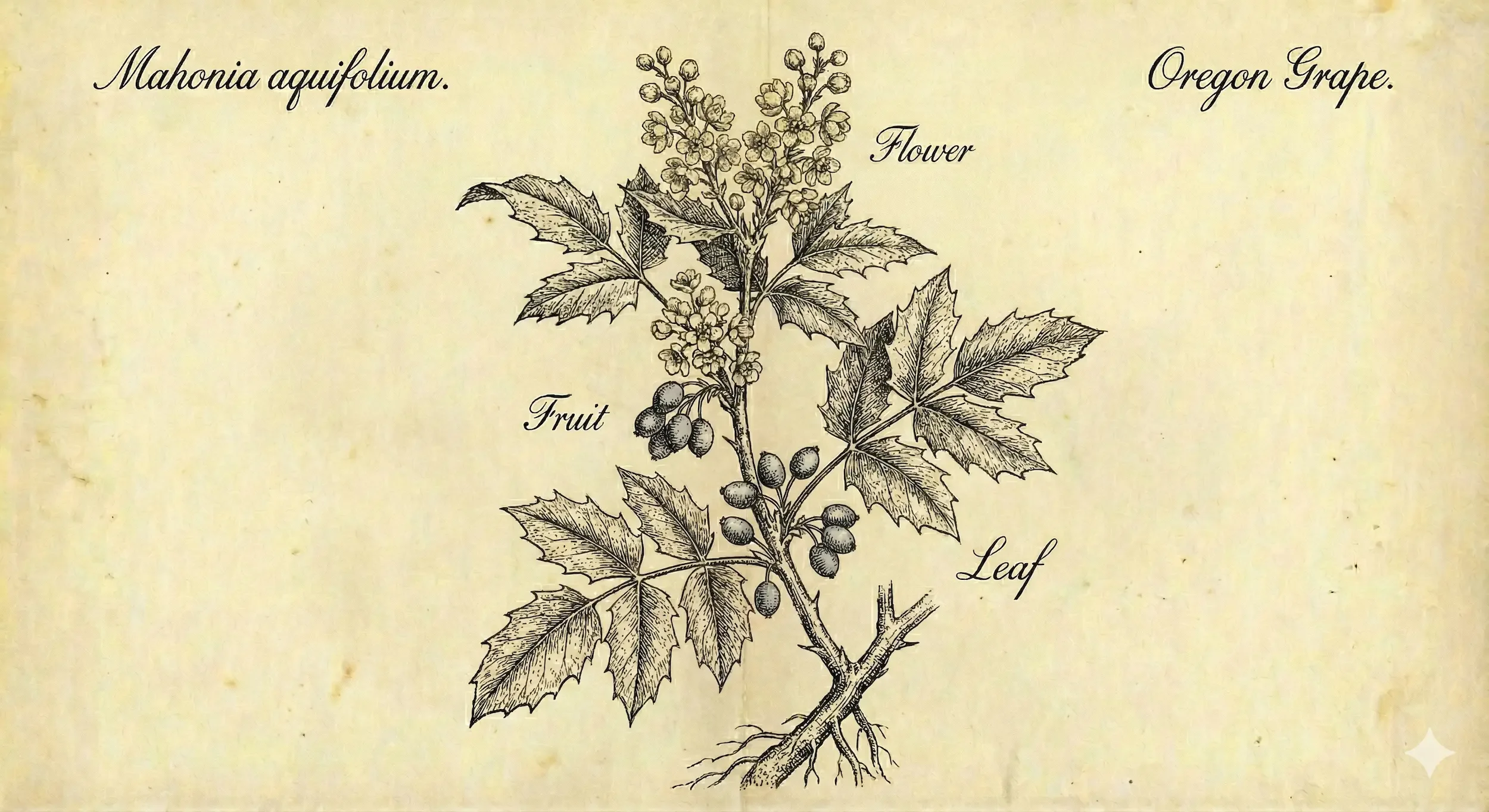
Oregon Grape (Mahonia aquifolium)
Oregon Grape Root is a bright yellow, bitter root traditionally used to support the body’s natural cleansing processes. Herbalists value it for promoting balance and vitality. Its strong flavor reflects its deep-rooted herbal power
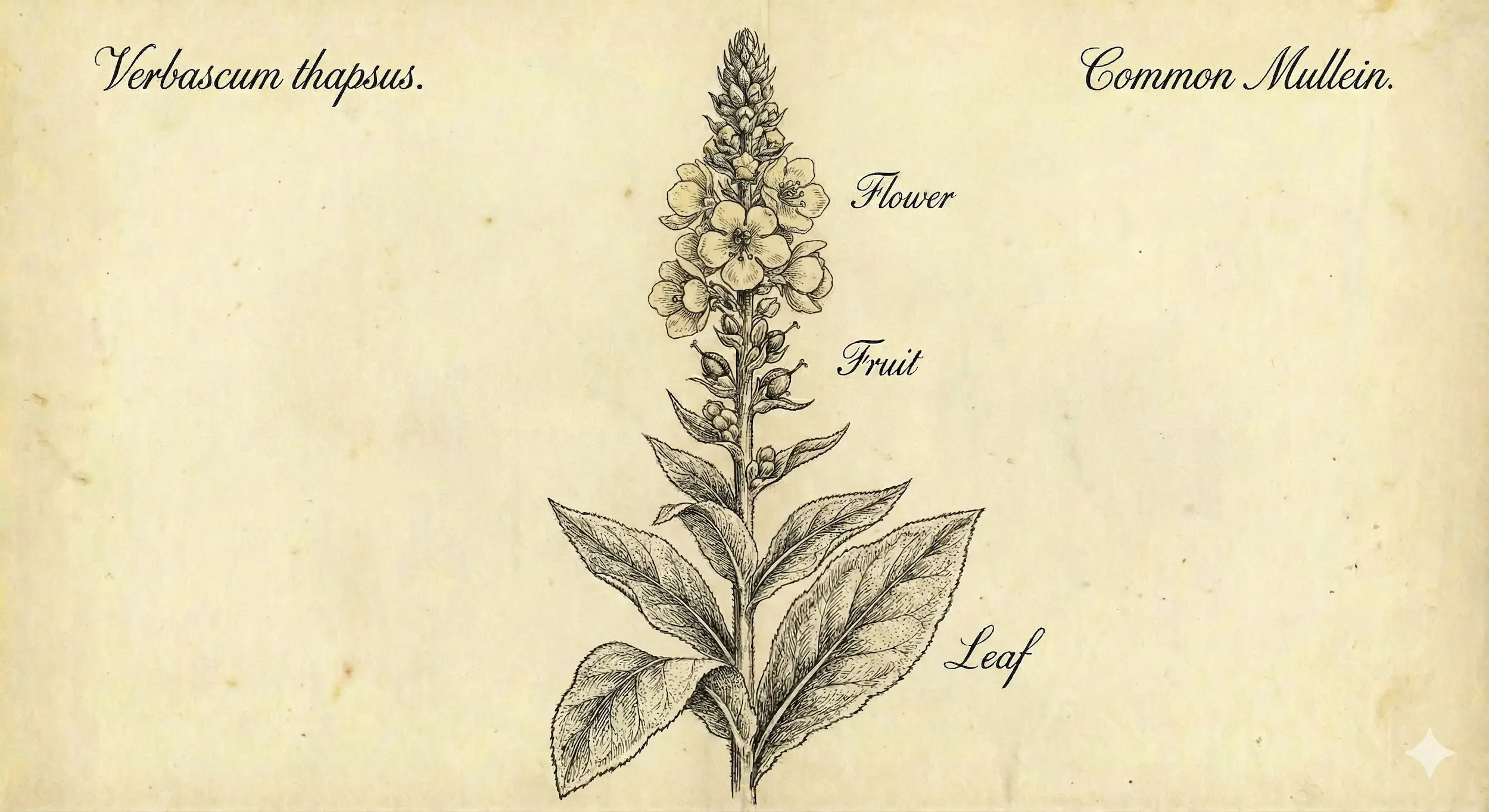
Mullein (Verbascum thapsus)
Mullein leaves are soft, fuzzy, and widely used in traditional herbalism. They’re often associated with supporting comfort and ease in the body, especially during seasonal changes. The plant’s gentle nature makes it a favorite in many folk remedies.

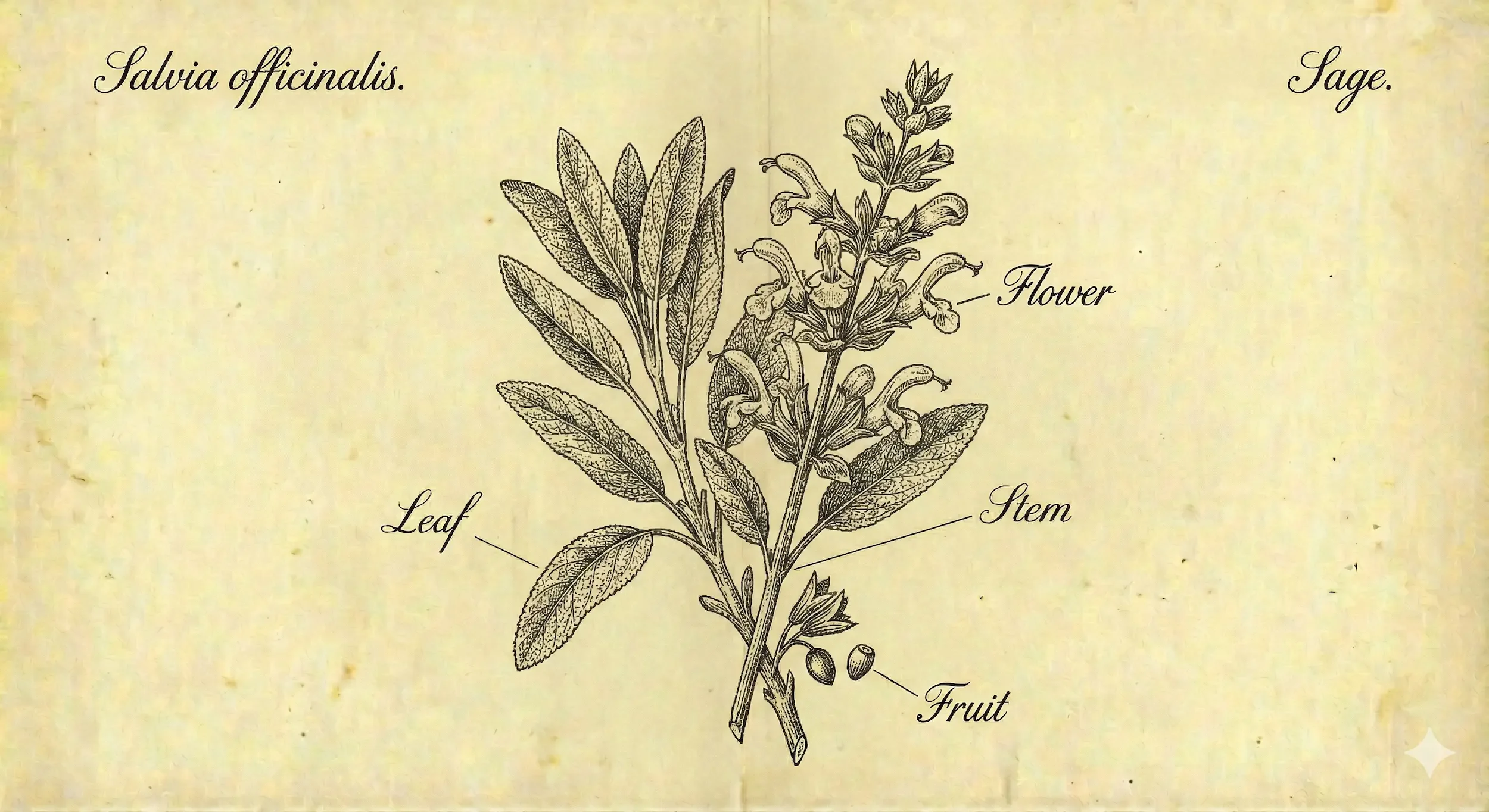
Sage (Salvia officinalis)
Sage is a classic culinary and medicinal herb known for its aromatic, warming nature. Traditionally, it has been used to support digestion, clarity, and general vitality. Its leaves contain natural compounds that have made it a staple in herbal traditions worldwide.
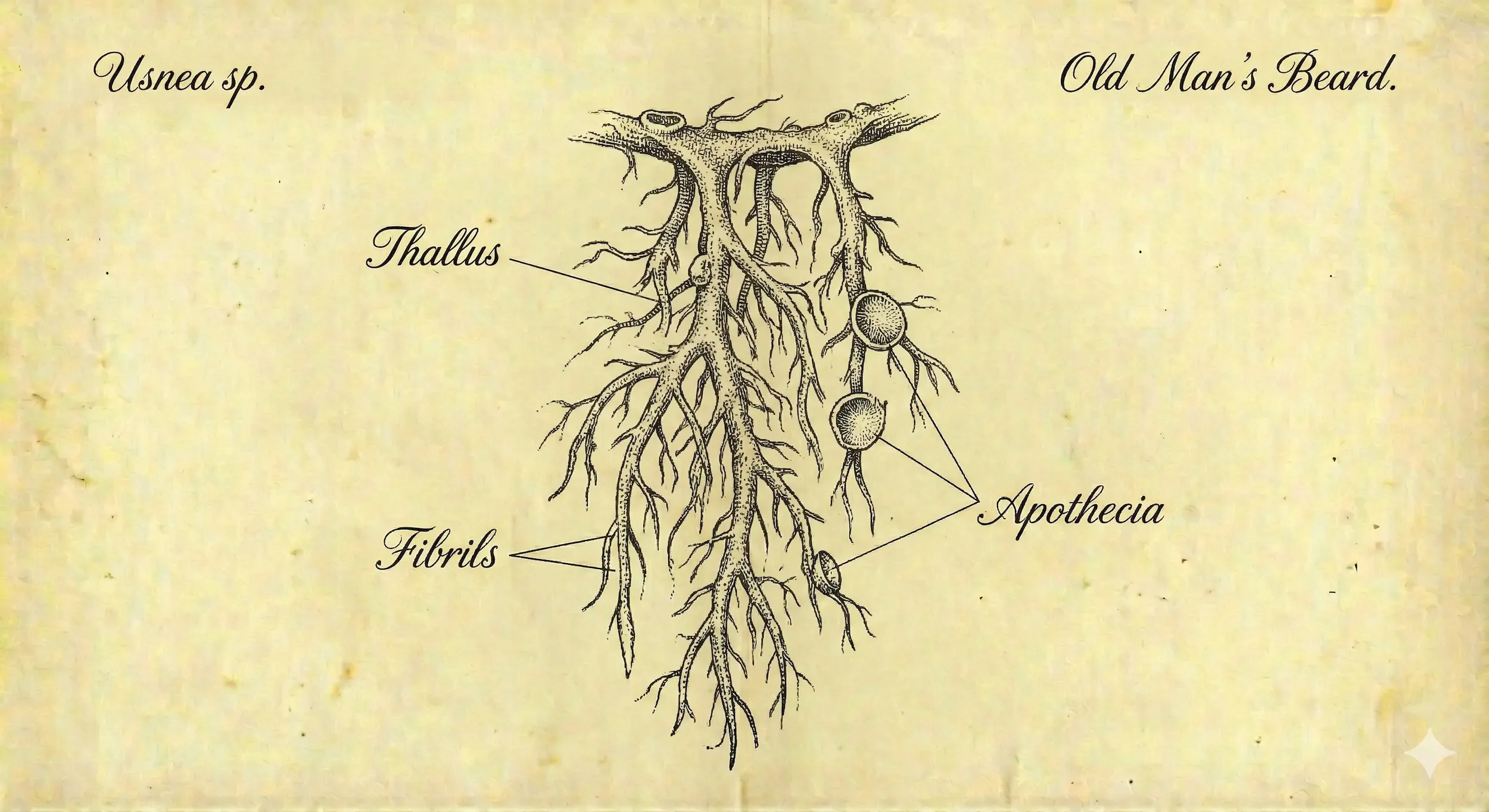
Usnea (Old Man’s Beard Lichen)
Usnea is a slow‑growing lichen known for its unique blend of plant and fungal properties. Traditionally, it has been used to support the body’s natural cleansing processes and maintain general wellness. Its long history in herbalism comes from its reputation as a resilient forest remedy.
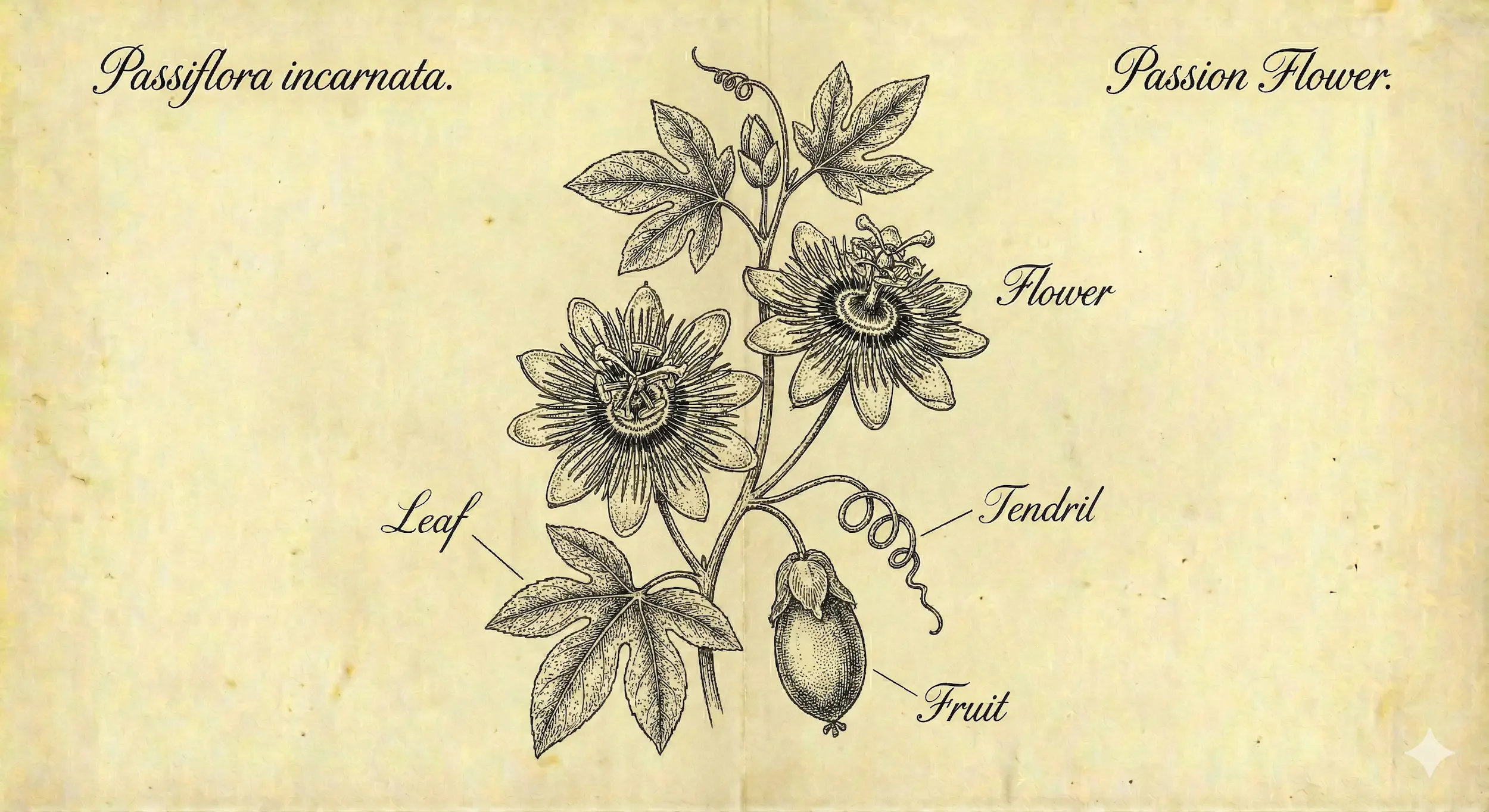
Passion Flower (Passiflora incarnata)
Passion Flower is a beautiful vine with intricate blossoms long used for its calming, soothing qualities. Traditionally, it has been used to support relaxation and a sense of ease. Its gentle nature makes it a favorite in evening herbal blends.
Wild Lettuce (Lactuca virosa)
Wild Lettuce is a leafy plant traditionally appreciated for its calming, grounding qualities. Herbalists have used it to promote relaxation and ease tension. Its milky sap has been part of folk remedies for generations.